KOLTZOW
next project →
IMPROVING URBAN DEVELOPMENT
“How can we create an inclusive and engaging service that gives residents of Oslo real influence over urban development?”
THE BACKGROUND





For our bachelor’s thesis, my partner and I examined the extent to which Oslo residents are included in urban development. We followed the Double Diamond service design process, moving from broad research and insight gathering to refining a concept, developing a prototype, and preparing it for implementation.
THE PROCESS
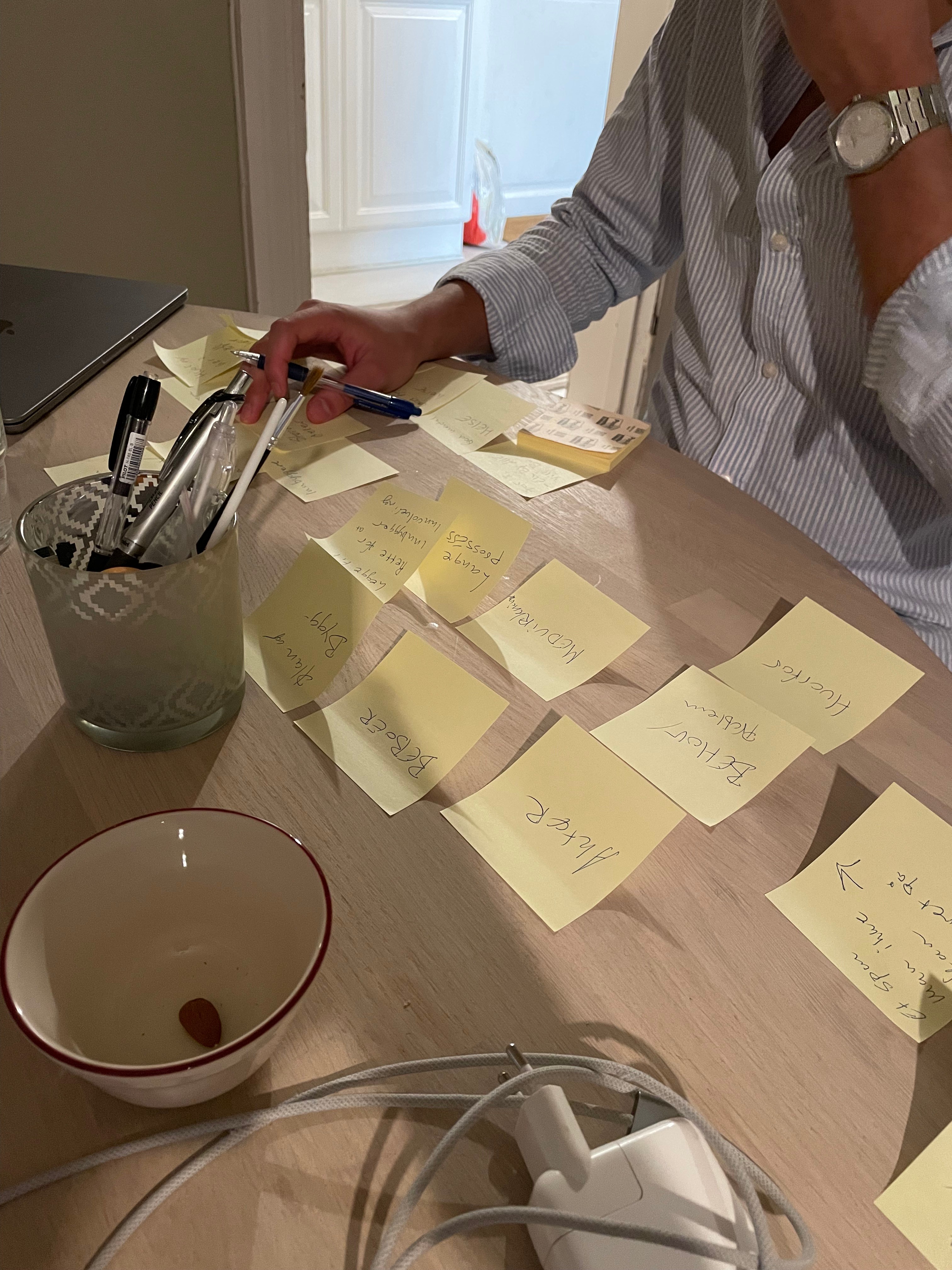
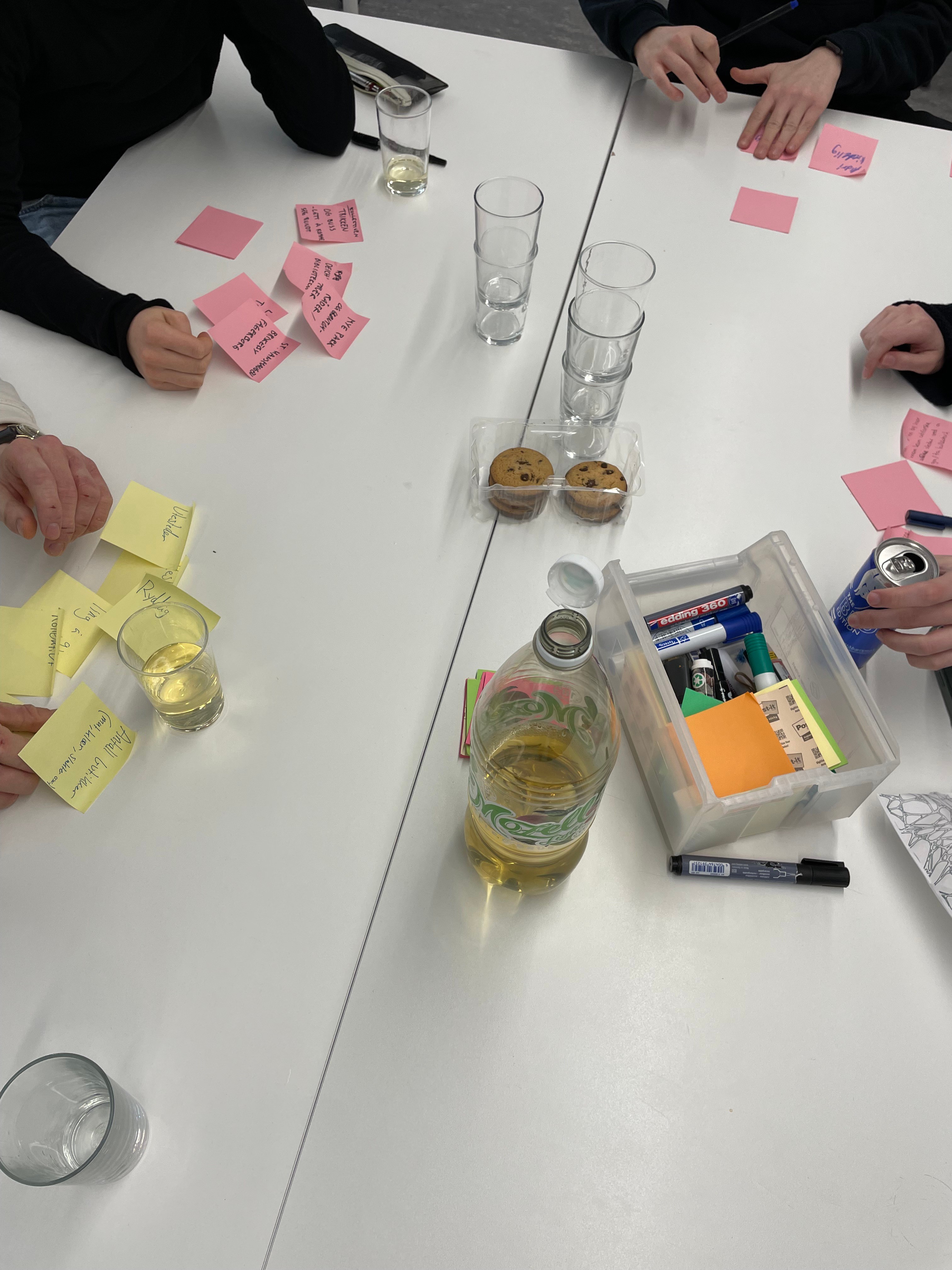
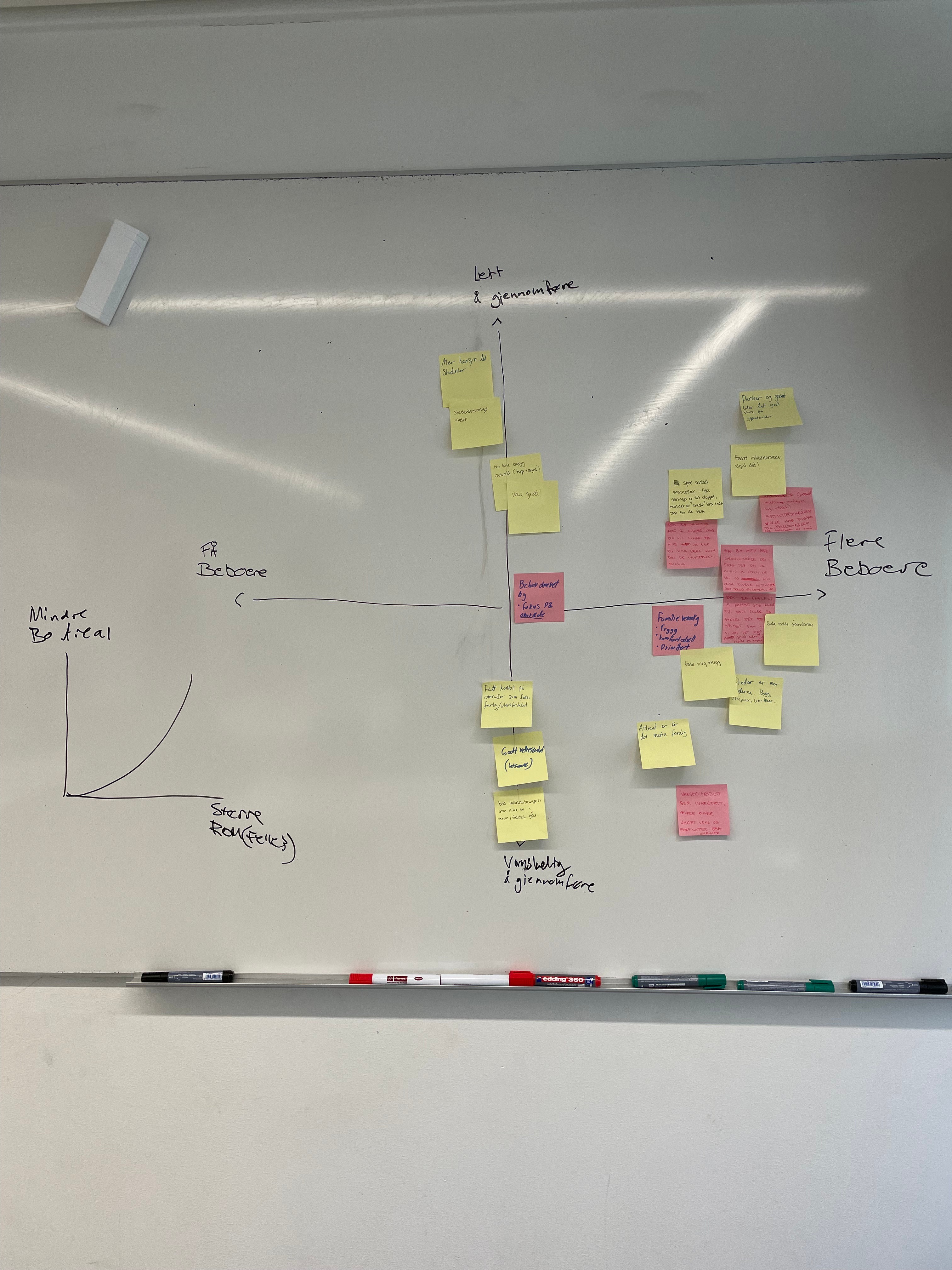
We developed a service on behalf of the City of Oslo, with residents as the primary target group. Our process included interviews with the Agency for Urban Environment, architects, urban developers, volunteers, and residents, as well as workshops during both the insight and ideation phases. We then synthesized the material to identify a set of key findings.
1.
Residents give up before development even starts
Many residents lose the motivation to engage in urban development because they feel overlooked. Housing development processes often take many years, and during this time new zoning plans or changes can cause the process to restart, with earlier input frequently set aside or forgotten. As a result, residents lose faith that their voices are genuinely heard.
“I feel that the decisions have already been made before we get a chance to speak.” — Resident, Økern
2.
Physical presence remains key to genuine dialogue, even in a digital age
Digital participation tools increase reach and flexibility, but experience shows that dialogue is often more meaningful when combined with physical presence. This combination makes it easier to share perspectives, give feedback, and build understanding, leading to stronger engagement and outcomes.
“Digital solutions play an important role, but physical presence remains crucial for dialogue.” — Urban developer
3.
When rules are treated as suggestions
Developers hold significant power to shape building processes according to their own interests. When regulations pose obstacles, they often find ways to work around them, creating situations where both quality and residents’ needs are sacrificed in favor of faster and more cost-efficient projects.
“Residents are often overlooked, unfortunately.” — Agency for Planning and Building Services
THE SOLUTION
Our insights led us to a service integrated into the City of Oslo’s existing resident app. The service is a participatory map that encourages people to move through the city and share feedback on specific places, collecting insights continuously during the public consultation phase of new urban development projects. This approach saves resources while making participation easy and engaging for residents.
KOLTZOW
next project →
IMPROVING URBAN DEVELOPMENT
“How can we create an inclusive and engaging service that gives residents of Oslo real influence over urban development?”
THE BACKGROUND
For our bachelor’s thesis, my partner and I examined the extent to which Oslo residents are included in urban development. We followed the Double Diamond service design process, moving from broad research and insight gathering to refining a concept, developing a prototype, and preparing it for implementation.
THE PROCESS
We developed a service on behalf of the City of Oslo, with residents as the primary target group. Our process included interviews with the Agency for Urban Environment, architects, urban developers, volunteers, and residents, as well as workshops during both the insight and ideation phases. We then synthesized the material to identify a set of key findings.
1.
Residents give up before development even starts
Many residents lose the motivation to engage in urban development because they feel overlooked. Housing development processes often take many years, and during this time new zoning plans or changes can cause the process to restart, with earlier input frequently set aside or forgotten. As a result, residents lose faith that their voices are genuinely heard.
“I feel that the decisions have already been made before we get a chance to speak.” — Resident, Økern
2.
Physical presence remains key to genuine dialogue, even in a digital age
Digital participation tools increase reach and flexibility, but experience shows that dialogue is often more meaningful when combined with physical presence. This combination makes it easier to share perspectives, give feedback, and build understanding, leading to stronger engagement and outcomes.
“Digital solutions play an important role, but physical presence remains crucial for dialogue.” — Urban developer
3.
When rules are treated as suggestions
Developers hold significant power to shape building processes according to their own interests. When regulations pose obstacles, they often find ways to work around them, creating situations where both quality and residents’ needs are sacrificed in favor of faster and more cost-efficient projects.
“Residents are often overlooked, unfortunately.” — Agency for Planning and Building Services
THE SOLUTION
Our insights led us to a service integrated into the City of Oslo’s existing resident app. The service is a participatory map that encourages people to move through the city and share feedback on specific places, collecting insights continuously during the public consultation phase of new urban development projects. This approach saves resources while making participation easy and engaging for residents.
Next project →
← Back home
KOLTZOW
next project →
IMPROVING URBAN DEVELOPMENT
“How can we create an inclusive and engaging service that gives residents of Oslo real influence over urban development?”
THE BACKGROUND
For our bachelor’s thesis, my partner and I examined the extent to which Oslo residents are included in urban development. We followed the Double Diamond service design process, moving from broad research and insight gathering to refining a concept, developing a prototype, and preparing it for implementation.
THE PROCESS
We developed a service on behalf of the City of Oslo, with residents as the primary target group. Our process included interviews with the Agency for Urban Environment, architects, urban developers, volunteers, and residents, as well as workshops during both the insight and ideation phases. We then synthesized the material to identify a set of key findings.
1.
Residents give up before development even starts
Many residents lose the motivation to engage in urban development because they feel overlooked. Housing development processes often take many years, and during this time new zoning plans or changes can cause the process to restart, with earlier input frequently set aside or forgotten. As a result, residents lose faith that their voices are genuinely heard.
“I feel that the decisions have already been made before we get a chance to speak.” — Resident, Økern
2.
Physical presence remains key to genuine dialogue, even in a digital age
Digital participation tools increase reach and flexibility, but experience shows that dialogue is often more meaningful when combined with physical presence. This combination makes it easier to share perspectives, give feedback, and build understanding, leading to stronger engagement and outcomes.
“Digital solutions play an important role, but physical presence remains crucial for dialogue.” — Urban developer
3.
When rules are treated as suggestions
Developers hold significant power to shape building processes according to their own interests. When regulations pose obstacles, they often find ways to work around them, creating situations where both quality and residents’ needs are sacrificed in favor of faster and more cost-efficient projects.
“Residents are often overlooked, unfortunately.” — Agency for Planning and Building Services
THE SOLUTION
Our insights led us to a service integrated into the City of Oslo’s existing resident app. The service is a participatory map that encourages people to move through the city and share feedback on specific places, collecting insights continuously during the public consultation phase of new urban development projects. This approach saves resources while making participation easy and engaging for residents.
Next project →
← Back home